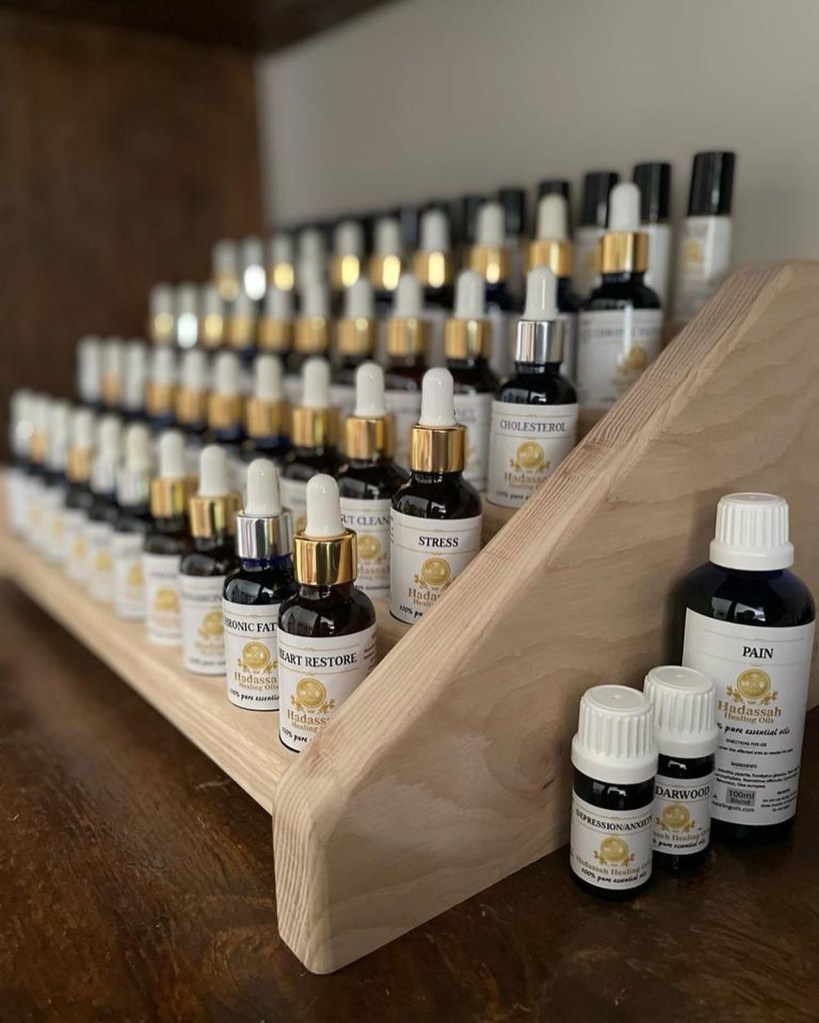
What is an essential oil?
Essential oils are concentrated plant extracts obtained by steamed distillation called pressing or resin tapping. They are the essence of a plant. The resulting oils have a distinctive molecular profile that gives them specific aromas and properties.
Pure essential oils offer an alternative to synthetic products. Each essential oil has a unique chemical makeup, and has dozens of benefits for the body and the mind. These natural chemicals, when extracted correctly, can be used to help you physically, mentally and emotionally.
Are essential oils safe to use?
Essential oils are highly concentrated liquids that can be harmful if not used with care. Incorporating essential oils into your lifestyle should not cause paranoia or undue worry, but it is important to learn about and heed to essential oil safety.
Where do you apply essential oils?
You can apply them topically for both systemic and local absorption.
They can be used through inhalation, either with cupping of the hands or in a diffuser. It is more effective to use a diffuser for at least 8 hours through the night while sleeping.
The oils can be used internally but not all essential oils are suitable to use internally, so please make sure before drinking them in a capsule.
However, you can ingest Hadassah Healing Oil medicinal 30ml range as prescribed.
Safety guidelines for internal use
Essential oils are not consistently regulated. Do not use essential oils internally unless you know that the oils are from a reputable source and you were directly told the oil is safe to use internally.
Why do you need to dilute some essential oils in a carrier oil when used topically?
Pure essential oils are far more powerful than the botanicals from which they are extracted. They are the lifeblood in the plant and carry all the molecules which that plant has created going through its different growing seasons. Some oils are considered gentle and safe to apply directly on the skin, like lavender, myrrh, frankincense, and other oils are considered hot and should be diluted before they can be applied to the skin, such as cinnamon and oregano.
What is a carrier oil?
Carrier oils are combined with essential oils to dilute them and alter their absorption rate.
Essential oils are incredibly potent, so you only need a minimal amount to benefit from their many benefits.
Carrier oils allow you to cover a larger surface area of your body with essential oils without using too much. So when you use a carrier oil, you reduce the chances of causing any adverse skin reactions.
Using a carrier oil is especially important when applying essential oils to sensitive skin areas, using them on children, or when you’re looking to cover a large area of your body.
Coconut Oil
Coconut oil serves as an effective carrier oil because it has a low molecular weight, allowing it to penetrate your skin on a deeper level. It also contains saturated fats that help the skin to stay moisturised while helping to provide a smooth and even skin tone. In addition to this, coconut oil has antiseptic and antimicrobial properties, so it’s the perfect carrier oil for relieving skin conditions like acne, eczema and cold sores.
Almond Oil
Sweet almond oil is commonly used as a carrier oil because it contains antioxidants and helps to keep your skin nice and soft. Historically, it was used in Ayurvedic and Traditional Chinese Medicine to treat skin conditions like eczema and psoriasis.
Almond oil is light and easily absorbed into your skin, so when combined with antimicrobial essential oils, like tea tree or lavender, it can help cleanse your skin by getting into your pores and follicles.
Almond oil also has emollient properties, so it may be able to improve your complexion and skin tone.
Jojoba Oil
Jojoba oil is an excellent carrier oil because it’s odourless and serves as an emollient, helping to soothe your skin and unclog pores and hair follicles. But beyond acting as a carrier oil, jojoba oil has many benefits for your hair and skin.
Jojoba oil is a plant wax, not an oil, and it can be used to moisturise, protect and cleanse your skin, prevent razor burn, and promote the health of your hair.
Besides, jojoba oil contains vitamin E and B vitamins, which help treat sunburns and wounds. It has antifungal and anti-inflammatory properties and three fatty acids.
Olive oil
Olive oil is high in healthy fatty acids, anti-inflammatory compounds and antioxidants. Not only does consuming real extra virgin olive oil benefit your heart, brain and mood, but it can also be used as a carrier oil to help hydrate your skin, speed up wound healing and even help to fight infections.
Research suggests that olive oil may serve as a promising treatment for skin-related conditions like seborrheic dermatitis, psoriasis, acne and atopic dermatitis. It helps to improve these skin issues by reducing inflammation and fighting the growth of bacteria.
Avocado Oil
Like so many carrier oils, avocado oil benefits your health when consumed and used on your skin.
It’s very moisturising, working best for people with dry, rough skin. Avocado oil helps to improve skin texture, remove makeup and hydrate your hair. Plus, research conducted on rats suggests that avocado oil may help to reduce inflammation and increase collagen production, making it a helpful tool for treating skin wounds.
Evening Primrose Oil
Like most carrier oils, evening primrose oil is high in essential fatty acids and is often used to improve skin irritations and conditions.
Evening primrose oil also works as an anti-inflammatory agent, and it’s used to improve nerve function and skin elasticity.
Although there aren’t any high-quality studies to prove this benefit, evening primrose oil has been used to promote hair growth.
Do essential oils have an expiration date?
Pure therapeutical-grade essential oils can last years if stored in favorable conditions. Keep your bottles tightly closed and in a dark room, not exposed to direct sunlight. Lesser quality essential oils tend to become rancid and oxidize quite quickly.
 Christ-Centered Wellness