Inflammation refers to the body’s process of fighting against things that can harm it, such as infections, injuries and toxins, in an attempt to heal itself.
There are two types of inflammation – acute and chronic inflammation
Acute inflammation is usually associated with pain and swelling and is normally due to some sort of injury or reaction within the body.
When something damages your cells, your body releases chemicals that trigger a response from your immune system. This response includes the release of antibodies and proteins, as well as increased blood flow to the damaged area. The whole process usually lasts for a few hours or days in the case of acute inflammation.
Chronic inflammation happens when this response lingers, leaving your body in a constant state of alert. It is usually caused by an illness or disease and may go unnoticed for some time.
Over time, chronic inflammation may harm your tissues and organs. Some suggest that chronic inflammation could also play a role in a range of conditions, from cancer to asthma.
When dealing with inflammation it is beneficial to determine if the inflammation is acute or chronic.
Symptoms of acute inflammation
Redness, heat, swelling pain and loss of function. Acute inflammation is typically caused by illnesses, injuries, bacterial infections or common viruses. It is something that happens quickly and can be severe.

While acute inflammation often causes noticeable symptoms, chronic inflammation symptoms are usually subtler. This makes them easy to overlook.
Symptoms of chronic inflammation
Common symptoms of chronic inflammation include fatigue, insomnia, depression, anxiety, mood disorders, body pain, gastrointestinal complications (like constipation, diarrhea and acid reflux), frequent infections, weight gain or weight loss, balance issues, insulin resistance, muscle weakness, eye problems, skin issues and more.
Several things can cause chronic inflammation
Untreated causes of acute inflammation, such as an infection or injury.
An autoimmune disorder that involves your immune system mistakenly attacking healthy tissue.
Long-term exposure to irritants, such as industrial chemicals or polluted air.
Keep in mind that it doesn’t cause chronic inflammation in everyone. In some cases of chronic inflammation, there also might not be a clear underlying cause.
Experts also believe that a range of factors may contribute to chronic inflammation, such as smoking, obesity, alcohol or chronic stress.
How does chronic inflammation impact the body?
When you have chronic inflammation, your body’s inflammatory response can eventually start to damage healthy cells, tissues, and organs. Over time, this can lead to DNA damage, tissue death, and internal scarring. All of these are linked to the development of several diseases, including cancer, heart disease, rheumatoid arthritis, type 2 diabetes, asthma, obesity and neurodegenerative diseases, such as Alzheimer’s disease,
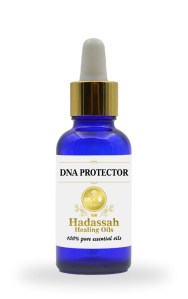
Contents: Commiphora myrrha, Boswellia serrata, Rosmarinus officinalis, Thymus vulgaris, Foeniculum vulgare, Eugenia caryophyllata, Ocimum basilicum, Curcuma longa L, Pomegranate, Olea europaea. Click image to order.
Inflammation occurs in the body when the immune system is activated.
Inflammation can have many different causes, such as an infection or even a reaction to a food allergy. The body senses that something is wrong, so it sends blood cells to that area to help heal the problem and kill off any “invaders.”
Not all inflammation is good. The body can’t necessarily tell whether something is wrong or if it is just stressed because of the involvement in a big work project. Either way, it will produce inflammation to try to help in any way it can. But over time, this may tire out the immune system or cause problems in other parts of the body.
According to research antioxidants can reduce the harmful effects of inflammation in the body. This maybe is why you hear a lot about the importance of eating antioxidant-rich food to keep you healthy. Some researchers have also looked at whether essential oils can be used as antioxidants to help reduce inflammation. Although research is limited, there is some evidence to suggest that essential oils help. A 2010 study found that the following essential oils had anti-inflammatory properties: thyme, clove, rose, eucalyptus, fennel and bergamot.
Inflammation affects the whole body and essential oils can be used in a few different ways for treatment
Diffusion: A diffuser will allow essential oil particles to disperse directly into the air. Inhaling the scent may help with relaxation. If inflammation is stress-related, this may be very beneficial to help reduce the stress.
Massage: Apply diluted essential oil directly to the affected area to help reduce swelling and pain.
By mouth: Although rare, some types of essential oils are meant to be gargled. Researchers found that using an essential oil mouthwash helped reduce gum inflammation caused by gingivitis.
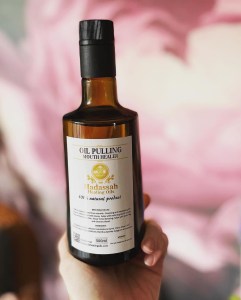
Oil pulling is an ancient practice that involves swishing oil in your mouth to remove bacteria and promote oral hygiene, bad breath, prevents cavities and restores dental decay.
Contents: Boswellia serrata hydrosol, Commiphora myrrh, Citrus limon, MCT (Medium-chain-triglyceride) oil, Mentha piperita, Syzygium aromaticum. Click image to order.
Inflammation is the body’s response to illness or injury and is a sign that the body is doing its job. This response is a part of our body’s defense system and can be caused by several things. Injuries, poor health, diet, lack of exercise, illness, disease, a sedentary lifestyle, lack of quality sleep, and more can all be contributing factors.
Additionally, inflammation can be present in different parts of the body. It can occur inside the body, affecting areas such as muscles, joints, tendons, and organs, or it can occur outside the body on the skin.
There are many factors to consider when dealing with inflammation. A great place to start would be examining your lifestyle. Diet, exercise, supplements, adequate fluid intake, reducing stress, and getting quality sleep are all things that can help to reduce inflammation.
Depending on the specific oil, there are several ways that essential oils can be used for inflammatory conditions. Some may be best to diffuse, others may be used in massage oil for inflamed muscles or joints, while still others may be used topically to soothe inflamed skin. That is the beauty of essential oils – their versatility.
Here is a list of 8 of the best essential oils for inflammation
Ginger, thyme, eucalyptus, roman camomile, helichrysum, turmeric, lavender, clove.
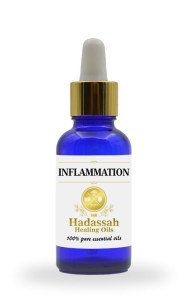
Contents: Zingiber officinale, Eugenia caryophyllata, Thymus vulgaris, Citrus bergamia, Boswellia serrata, Eucalyptus, Rosmarinus officinalis, Olea europaea. Click image to order.
Click here for the recommended inflammation protocol.
For other protocols click here.
 Christ-Centered Wellness