What is inflammation?

Inflammation refers to the body’s process of fighting against things that can harm it, such as infections, injuries and toxins, in an attempt to heal itself.

There are two types of inflammation – acute and chronic inflammation

Acute inflammation is usually associated with pain and swelling and is normally due to some sort of injury or reaction within the body.

When something damages your cells, your body releases chemicals that trigger a response from your immune system. This response includes the release of antibodies and proteins, as well as increased blood flow to the damaged area. The whole process usually lasts for a few hours or days in the case of acute inflammation.

Chronic inflammation happens when this response lingers, leaving your body in a constant state of alert. It is usually caused by an illness or disease and may go unnoticed for some time.

Over time, chronic inflammation may harm your tissues and organs. Some suggest that chronic inflammation could also play a role in a range of conditions, from cancer to asthma.

When dealing with inflammation it is beneficial to determine if the inflammation is acute or chronic.

Symptoms of acute inflammation

Redness, heat, swelling pain and loss of function. Acute inflammation is typically caused by illnesses, injuries, bacterial infections or common viruses. It is something that happens quickly and can be severe.

While acute inflammation often causes noticeable symptoms, chronic inflammation symptoms are usually subtler. This makes them easy to overlook.

Symptoms of chronic inflammation

Common symptoms of chronic inflammation include fatigue, insomnia, depression, anxiety, mood disorders, body pain, gastrointestinal complications (like constipation, diarrhea and acid reflux), frequent infections, weight gain or weight loss, balance issues, insulin resistance, muscle weakness, eye problems, skin issues and more.

Several things can cause chronic inflammation

Untreated causes of acute inflammation, such as an infection or injury.

An autoimmune disorder that involves your immune system mistakenly attacking healthy tissue.

Long-term exposure to irritants, such as industrial chemicals or polluted air.

Keep in mind that it doesn’t cause chronic inflammation in everyone. In some cases of chronic inflammation, there also might not be a clear underlying cause.

Experts also believe that a range of factors may contribute to chronic inflammation, such as smoking, obesity, alcohol or chronic stress.

How does chronic inflammation impact the body?

When you have chronic inflammation, your body’s inflammatory response can eventually start to damage healthy cells, tissues, and organs. Over time, this can lead to DNA damage, tissue death, and internal scarring. All of these are linked to the development of several diseases, including cancer, heart disease, rheumatoid arthritis, type 2 diabetes, asthma, obesity and neurodegenerative diseases, such as Alzheimer’s disease,
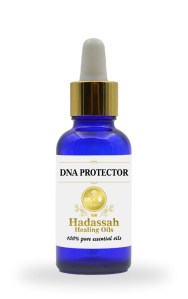
This blend is effective when used by cancer patients, autoimmune diseases, vaccine injuries and will also help to protect your DNA against altering substances.
Contents: Commiphora myrrha, Boswellia serrata, Rosmarinus officinalis, Thymus vulgaris, Foeniculum vulgare, Eugenia caryophyllata, Ocimum basilicum, Curcuma longa L, Pomegranate, Olea europaea. Click image to order.

Inflammation occurs in the body when the immune system is activated.

Inflammation can have many different causes, such as an infection or even a reaction to a food allergy. The body senses that something is wrong, so it sends blood cells to that area to help heal the problem and kill off any “invaders.”

Not all inflammation is good. The body can’t necessarily tell whether something is wrong or if it is just stressed because of the involvement in a big work project. Either way, it will produce inflammation to try to help in any way it can. But over time, this may tire out the immune system or cause problems in other parts of the body.

According to research antioxidants can reduce the harmful effects of inflammation in the body. This maybe is why you hear a lot about the importance of eating antioxidant-rich food to keep you healthy. Some researchers have also looked at whether essential oils can be used as antioxidants to help reduce inflammation. Although research is limited, there is some evidence to suggest that essential oils help. A 2010 study found that the following essential oils had anti-inflammatory properties: thyme, clove, rose, eucalyptus, fennel and bergamot.

Inflammation affects the whole body and essential oils can be used in a few different ways for treatment

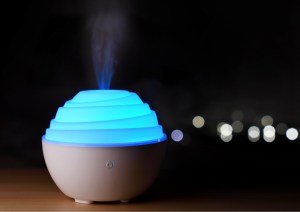
Diffusion: A diffuser will allow essential oil particles to disperse directly into the air. Inhaling the scent may help with relaxation. If inflammation is stress-related, this may be very beneficial to help reduce the stress.

Massage: Apply diluted essential oil directly to the affected area to help reduce swelling and pain.

By mouth: Although rare, some types of essential oils are meant to be gargled. Researchers found that using an essential oil mouthwash helped reduce gum inflammation caused by gingivitis.
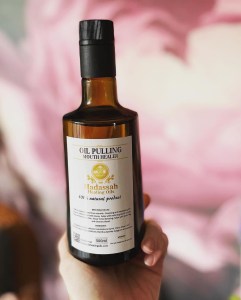
This blend contains a few oils that all work wonderful on the mouth, sensitive teeth and gum health. It detoxifies, draws out poison and reduces chronic inflammation and also stimulates nerve restore.
Oil pulling is an ancient practice that involves swishing oil in your mouth to remove bacteria and promote oral hygiene, bad breath, prevents cavities and restores dental decay.
Contents: Boswellia serrata hydrosol, Commiphora myrrh, Citrus limon, MCT (Medium-chain-triglyceride) oil, Mentha piperita, Syzygium aromaticum. Click image to order.

Inflammation is the body’s response to illness or injury and is a sign that the body is doing its job. This response is a part of our body’s defense system and can be caused by several things. Injuries, poor health, diet, lack of exercise, illness, disease, a sedentary lifestyle, lack of quality sleep, and more can all be contributing factors.

Additionally, inflammation can be present in different parts of the body. It can occur inside the body, affecting areas such as muscles, joints, tendons, and organs, or it can occur outside the body on the skin.

There are many factors to consider when dealing with inflammation. A great place to start would be examining your lifestyle. Diet, exercise, supplements, adequate fluid intake, reducing stress, and getting quality sleep are all things that can help to reduce inflammation.

Depending on the specific oil, there are several ways that essential oils can be used for inflammatory conditions. Some may be best to diffuse, others may be used in massage oil for inflamed muscles or joints, while still others may be used topically to soothe inflamed skin. That is the beauty of essential oils – their versatility.

Here is a list of 8 of the best essential oils for inflammation

Ginger, thyme, eucalyptus, roman camomile, helichrysum, turmeric, lavender, clove.
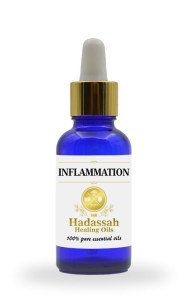
The Inflammation Blend aids in lowering inflammation in the body.
Contents: Zingiber officinale, Eugenia caryophyllata, Thymus vulgaris, Citrus bergamia, Boswellia serrata, Eucalyptus, Rosmarinus officinalis, Olea europaea. Click image to order.

Click here for the recommended inflammation protocol.

For other protocols click here.
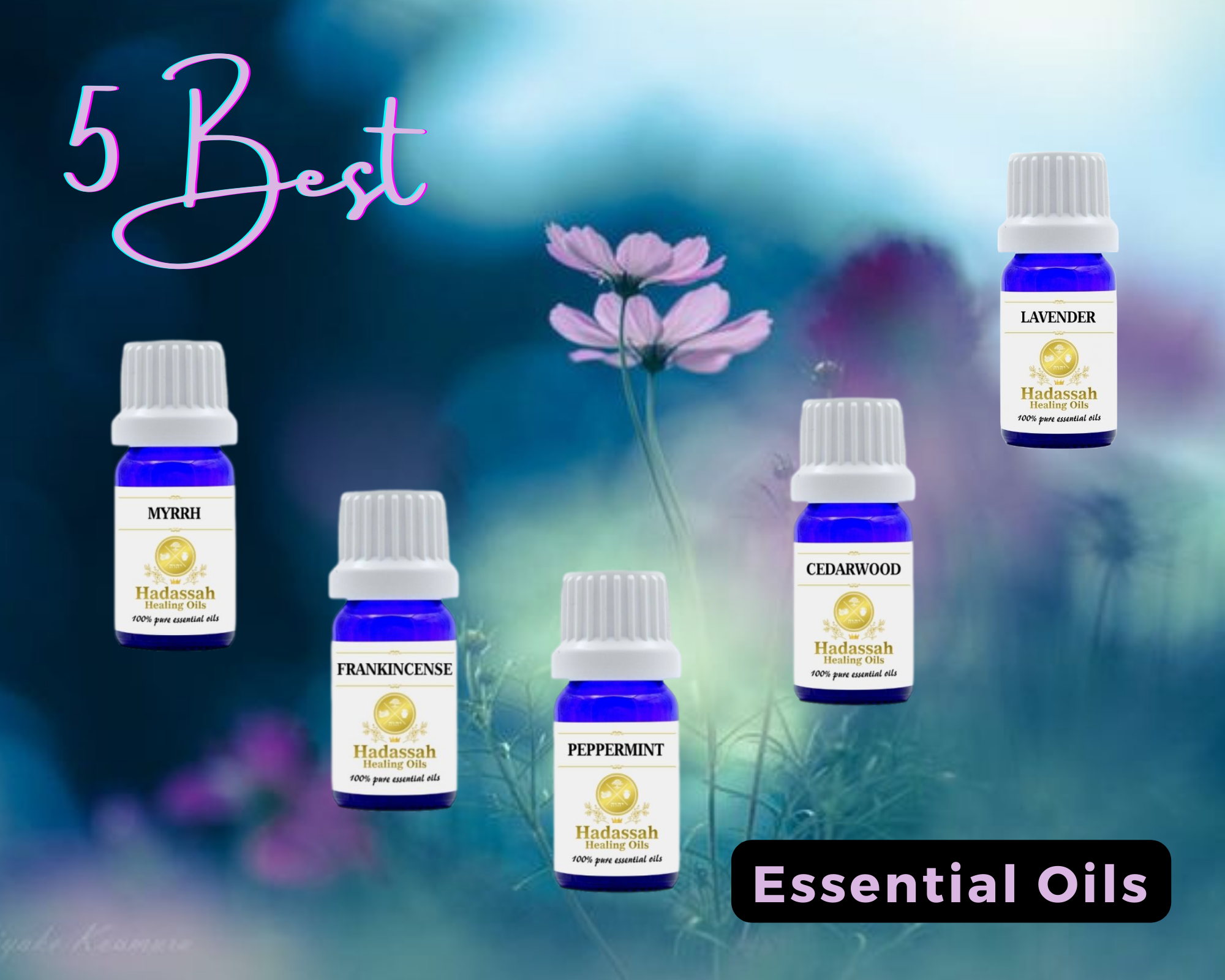
What are the 5 best essential oils?

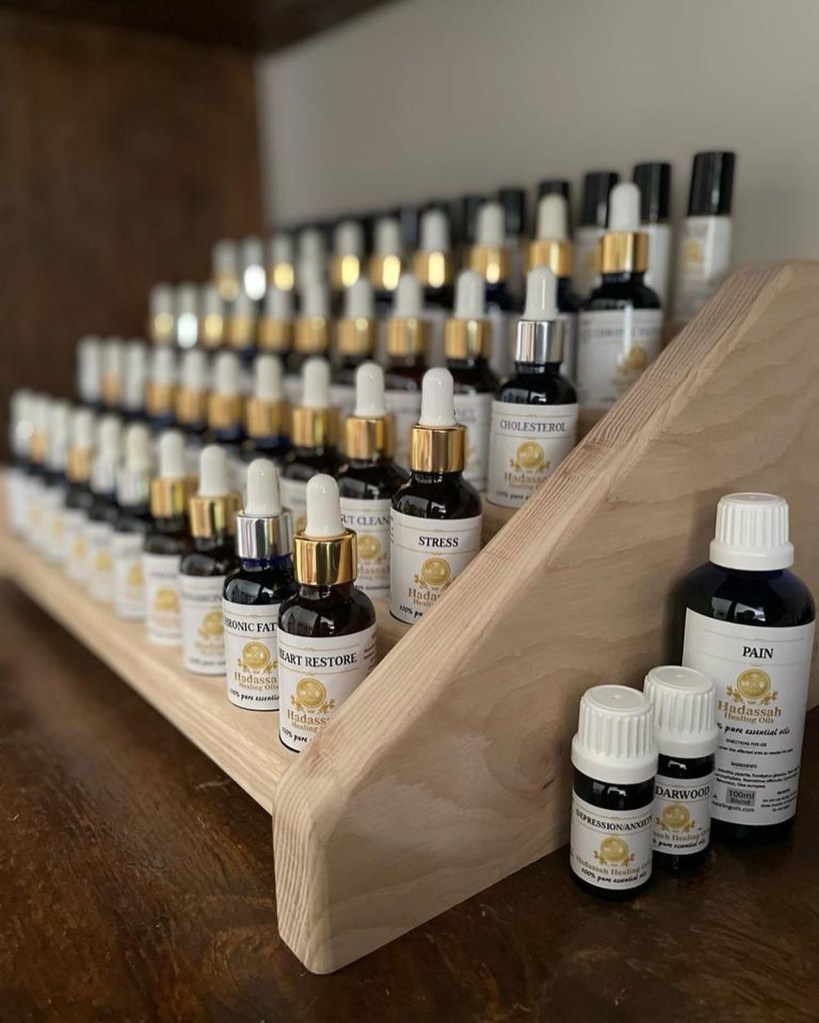
Hadassah Healing Oils supplies therapeutic grade oils that are from reputable sources. They take pride in quality and in supplying clients the best products available.

Myrrh

Every household needs Myrrh. This oil represents the blood of Jesus prophetically in Scripture. It can deprogram miswritten information in your DNA. It also acts as an anti-venom and will protect your body in the times we are in now.

It acts as a preservative and lengthens the working of other oils in the body.

Frankincense

This is the King of all oils. Frankincense represents the Bride of Christ.

It is the best oil to use in a diffuser beside your bed during the night to reprogram and restore your brain while you sleep. This oil is very effective on all brain-centered issues like depression, anxiety, inflammation on your brain, brain fog, trauma, etc. frankincense also deepens the working of all essential oils in the body.

Cedarwood

This oil has the highest volume of sesquiterpenes. It consists of 98% sesquiterpenes and can cross the blood-brain barrier.

Excellent oil to use oil in a diffuser; it cannot be used internally and will help with ADHD, ADD, focus, memory, depression, sleep disorders, and will help you focus on one thing at a time. It carries oxygen into the body and helps the cells to restore quicker and better.

Lavender

Lavender augustofolia is made in France. If you do not know what to use for your specific problem, lavender will undoubtedly help in every situation. It has the broadest spectrum therapeutically of all the oils. It will work for (sunburn, hormone balance, acne, adrenal fatigue, high blood pressure, stress, anxiety, acid reflux, insomnia, bite or scar). It is safe to use on children, and you can use this oil undiluted.

Peppermint

This oil gives you instant energy and awakens your brain to focus. It’s a great pain reliever. It is also vital for digestion and gut health.

Click on image to order

Essential Oil Basics

Hadassah Healing Oils supplies therapeutic grade oils that are from reputable sources. They take pride in quality and in supplying clients the best products available.

What is an essential oil?

Essential oils are concentrated plant extracts obtained by steamed distillation called pressing or resin tapping. They are the essence of a plant. The resulting oils have a distinctive molecular profile that gives them specific aromas and properties.

Pure essential oils offer an alternative to synthetic products. Each essential oil has a unique chemical makeup, and has dozens of benefits for the body and the mind. These natural chemicals, when extracted correctly, can be used to help you physically, mentally and emotionally.

Are essential oils safe to use?

Essential oils are highly concentrated liquids that can be harmful if not used with care. Incorporating essential oils into your lifestyle should not cause paranoia or undue worry, but it is important to learn about and heed to essential oil safety.

Where do you apply essential oils?

You can apply them topically for both systemic and local absorption.

They can be used through inhalation, either with cupping of the hands or in a diffuser. It is more effective to use a diffuser for at least 8 hours through the night while sleeping.

Click on image to order

The oils can be used internally but not all essential oils are suitable to use internally, so please make sure before drinking them in a capsule.

However, you can ingest Hadassah Healing Oil medicinal 30ml range as prescribed.

Safety guidelines for internal use

Essential oils are not consistently regulated. Do not use essential oils internally unless you know that the oils are from a reputable source and you were directly told the oil is safe to use internally.

Why do you need to dilute some essential oils in a carrier oil when used topically?

Pure essential oils are far more powerful than the botanicals from which they are extracted. They are the lifeblood in the plant and carry all the molecules which that plant has created going through its different growing seasons. Some oils are considered gentle and safe to apply directly on the skin, like lavender, myrrh, frankincense, and other oils are considered hot and should be diluted before they can be applied to the skin, such as cinnamon and oregano.

What is a carrier oil?

Carrier oils are combined with essential oils to dilute them and alter their absorption rate.

Essential oils are incredibly potent, so you only need a minimal amount to benefit from their many benefits.

Carrier oils allow you to cover a larger surface area of your body with essential oils without using too much. So when you use a carrier oil, you reduce the chances of causing any adverse skin reactions.

Using a carrier oil is especially important when applying essential oils to sensitive skin areas, using them on children, or when you’re looking to cover a large area of your body.

Coconut Oil

Coconut oil serves as an effective carrier oil because it has a low molecular weight, allowing it to penetrate your skin on a deeper level. It also contains saturated fats that help the skin to stay moisturised while helping to provide a smooth and even skin tone. In addition to this, coconut oil has antiseptic and antimicrobial properties, so it’s the perfect carrier oil for relieving skin conditions like acne, eczema and cold sores.

Almond Oil

Sweet almond oil is commonly used as a carrier oil because it contains antioxidants and helps to keep your skin nice and soft. Historically, it was used in Ayurvedic and Traditional Chinese Medicine to treat skin conditions like eczema and psoriasis.

Almond oil is light and easily absorbed into your skin, so when combined with antimicrobial essential oils, like tea tree or lavender, it can help cleanse your skin by getting into your pores and follicles.

Almond oil also has emollient properties, so it may be able to improve your complexion and skin tone.

Jojoba Oil

Jojoba oil is an excellent carrier oil because it’s odourless and serves as an emollient, helping to soothe your skin and unclog pores and hair follicles. But beyond acting as a carrier oil, jojoba oil has many benefits for your hair and skin.

Jojoba oil is a plant wax, not an oil, and it can be used to moisturise, protect and cleanse your skin, prevent razor burn, and promote the health of your hair.

Besides, jojoba oil contains vitamin E and B vitamins, which help treat sunburns and wounds. It has antifungal and anti-inflammatory properties and three fatty acids.

Olive oil

Olive oil is high in healthy fatty acids, anti-inflammatory compounds and antioxidants. Not only does consuming real extra virgin olive oil benefit your heart, brain and mood, but it can also be used as a carrier oil to help hydrate your skin, speed up wound healing and even help to fight infections.

Research suggests that olive oil may serve as a promising treatment for skin-related conditions like seborrheic dermatitis, psoriasis, acne and atopic dermatitis. It helps to improve these skin issues by reducing inflammation and fighting the growth of bacteria.

Avocado Oil

Like so many carrier oils, avocado oil benefits your health when consumed and used on your skin.

It’s very moisturising, working best for people with dry, rough skin. Avocado oil helps to improve skin texture, remove makeup and hydrate your hair. Plus, research conducted on rats suggests that avocado oil may help to reduce inflammation and increase collagen production, making it a helpful tool for treating skin wounds.

Evening Primrose Oil

Like most carrier oils, evening primrose oil is high in essential fatty acids and is often used to improve skin irritations and conditions.

Evening primrose oil also works as an anti-inflammatory agent, and it’s used to improve nerve function and skin elasticity.

Although there aren’t any high-quality studies to prove this benefit, evening primrose oil has been used to promote hair growth.

Do essential oils have an expiration date?

Pure therapeutical-grade essential oils can last years if stored in favorable conditions. Keep your bottles tightly closed and in a dark room, not exposed to direct sunlight. Lesser quality essential oils tend to become rancid and oxidize quite quickly.

To go to the online store Click here

Design a site like this with WordPress.com
Get started